September 24, 2026
A chimney might look like a simple stack of bricks, but it's actually a complex system that keeps your home safe, warm, and free from smoke, gas, and fire hazards. When that system isn't properly maintained, the risks go far beyond a smoky living room. Creosote buildup, cracked flue liners, and damaged masonry can lead to house fires, carbon monoxide leaks, and expensive structural damage. That's where professional chimney services come in. Rather than being a single task, chimney services actually cover a wide range of specialized work, from routine cleanings to full-scale rebuilding projects.
Understanding what chimney services include can help homeowners know what to expect when they call a professional, and why each piece of the process matters. Below, we break down the core categories of chimney services so you can better understand how they work together to protect your home, your family, and your investment.
Inspecting and Certifying Your Chimney System
Every solid chimney services plan starts with a thorough inspection. A trained technician examines the flue, liner, masonry, and connected components to identify any existing damage or developing problems before they become dangerous. Inspections are typically broken down into levels depending on the depth of examination required. According to Fixr, most companies bundle inspection and cleaning together as a single package, with Level 1 or Level 2 inspections generally taking between 30 minutes to an hour, while a Level 3 inspection can stretch beyond a full day depending on how much investigative work is needed. That range reflects just how differently a routine checkup and a deep structural evaluation can play out.
Certifications often follow an inspection, especially when a chimney needs documentation for a home sale, insurance claim, or code compliance requirement. These official records give homeowners and buyers peace of mind, confirming that a chimney has been evaluated by a qualified professional and meets safety standards. Skipping this step, or relying on a cursory look instead of a real inspection, is one of the most common ways small issues turn into major repairs down the road.
Cleaning and Preventing Dangerous Creosote Buildup
Cleaning is one of the most well-known forms of chimney services, and for good reason. Every time wood burns, it releases creosote, a tar-like substance that clings to the interior of the flue. Over time, creosote builds up and becomes highly flammable, creating one of the leading causes of chimney fires. Regular cleaning removes this residue along with soot, debris, and any nesting materials left behind by birds or small animals.
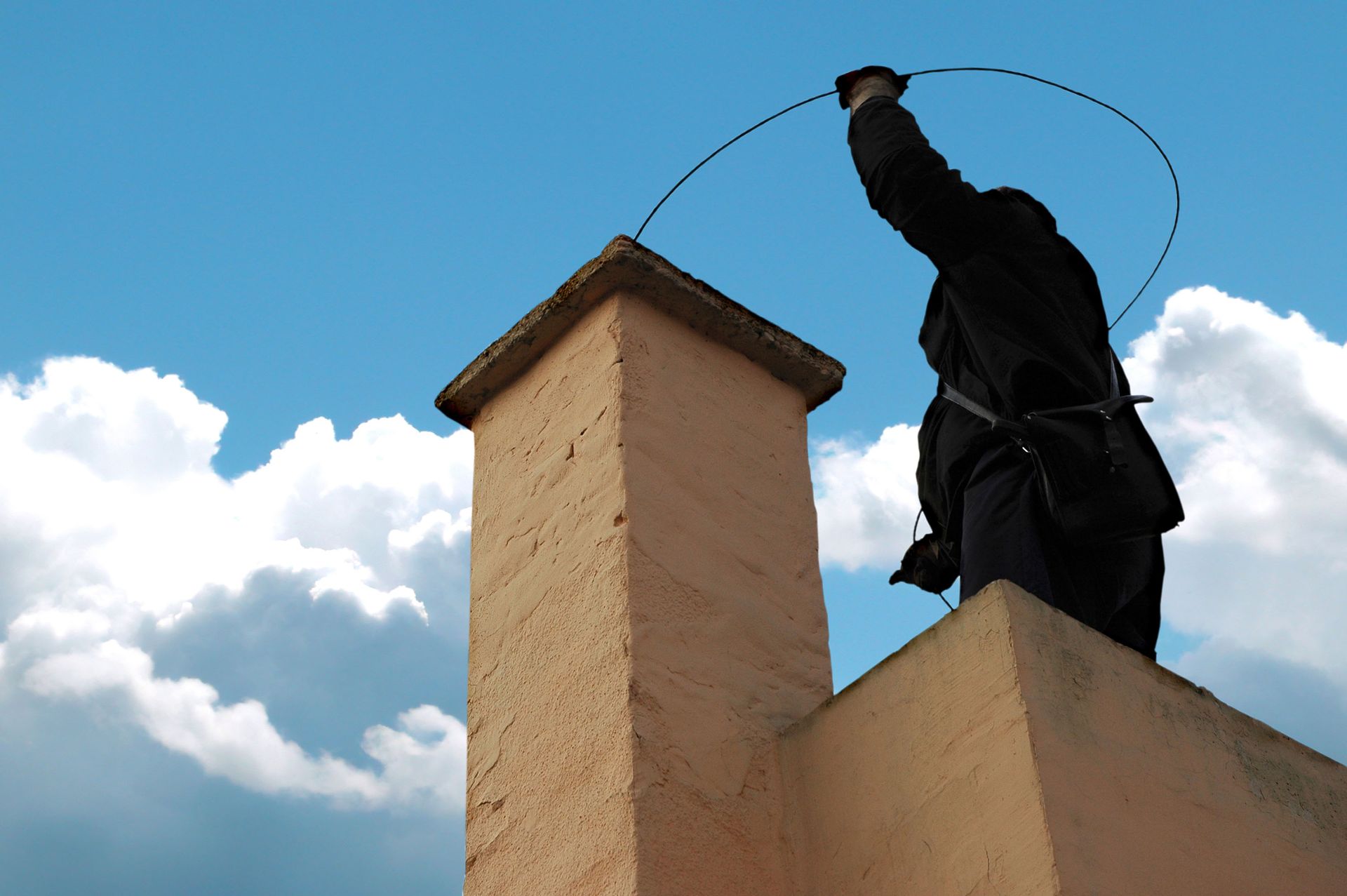
Professional cleaning goes beyond what a homeowner could safely accomplish with a store-bought brush. Technicians use specialized tools and vacuum systems designed to capture fine particulates, protecting indoor air quality while thoroughly scouring the flue. A clean chimney also improves airflow, which allows smoke and gases to vent properly instead of backing up into the home. For anyone who uses their fireplace or wood stove regularly, scheduling this service annually is one of the simplest ways to prevent a hazardous situation before it starts.
Capping and Protecting Your Chimney From the Elements
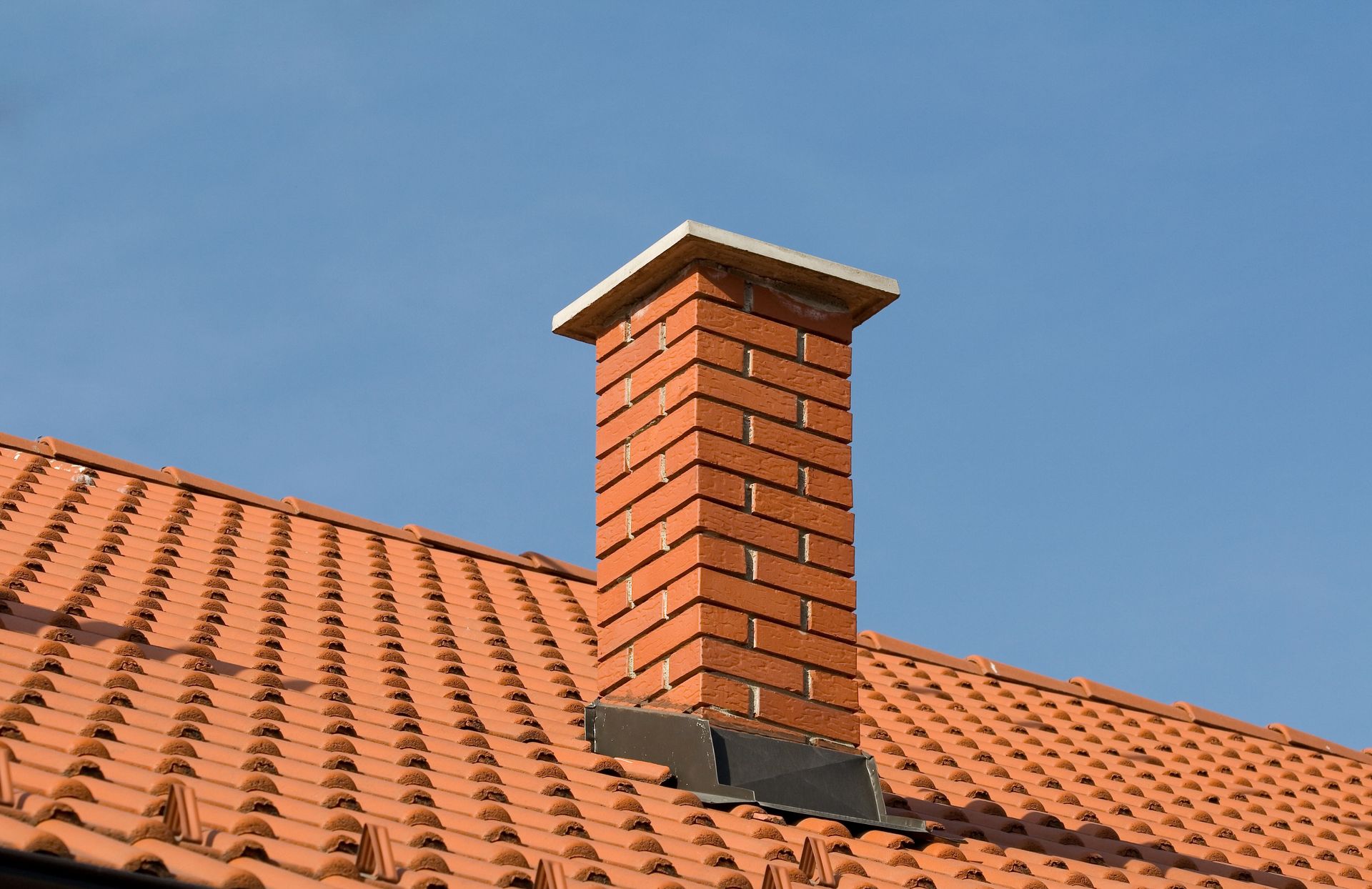
A chimney cap might seem like a minor accessory, but it plays a major role in protecting the entire system. Without one, rain, snow, and debris can enter the flue, leading to water damage, rust, and deteriorating masonry. Caps also keep out birds, squirrels, and other animals looking for a warm place to nest, which can otherwise cause blockages that force smoke back into the home.
Chimney services that include cap installation typically offer a range of materials and styles, allowing homeowners to choose an option that protects their chimney while still complementing the look of their roofline. Spark arrestor screens built into many caps offer an added layer of fire prevention by containing embers before they can escape and land on a roof. Given how much damage moisture and pests can cause over time, a properly fitted cap is one of the most cost-effective investments a homeowner can make.
Repairing and Rebuilding Damaged Chimney Structures
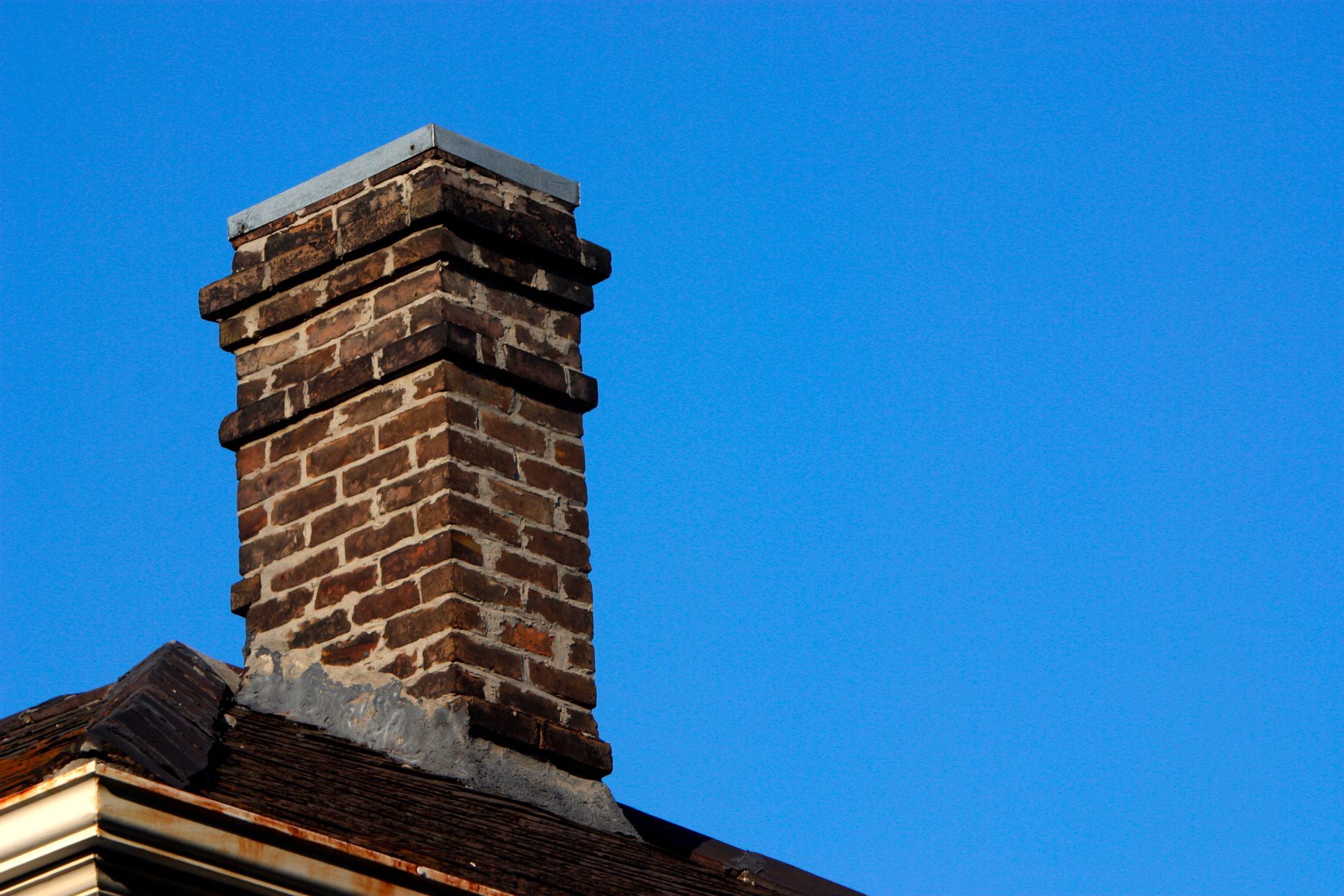
Chimneys endure constant exposure to heat, moisture, and temperature swings, all of which take a toll on masonry over time. Cracked mortar joints, spalling bricks, and shifting foundations are common issues that require prompt repair before they worsen. Professional chimney services address these problems by identifying the root cause of the damage, not just patching the visible symptoms, so the fix actually lasts.
In more severe cases, a chimney may be damaged beyond simple repair and require partial or complete rebuilding. This is detailed, structural work that calls for skilled masons who understand proper bonding, flashing, and weatherproofing techniques. A rebuilt chimney needs to be just as structurally sound as the original, if not more so, which is why this level of work should never be treated as a do-it-yourself project. Attempting repairs without the right expertise can compromise the structure and create safety hazards that are far more expensive to correct later.
Relining and Restoring Proper Ventilation
The flue liner is one of the most important, and often overlooked, components of a chimney. It protects the surrounding masonry from heat and corrosive byproducts of combustion while directing smoke and gases safely out of the home. Over time, liners can crack, deteriorate, or become misaligned, reducing their ability to do their job effectively.
Relining is a specialized service that restores this protective barrier, often using durable materials designed to withstand years of heavy use. A properly lined chimney functions more efficiently, reduces the risk of heat transfer to nearby combustible materials, and helps prevent dangerous gas leaks into living spaces. Because relining involves working deep within the chimney structure, it's a task best left to professionals who have the tools and training to get it right the first time.
Installing Dampers and Exhaust Fans for Efficiency
Beyond structural work, chimney services also include components that improve everyday performance and energy efficiency. Dampers control airflow, closing off the chimney when it's not in use to prevent heat loss and keep out drafts, pests, and debris. A damaged or poorly fitted damper can waste significant energy, making this a small part with a noticeable impact on comfort and heating costs.
Exhaust fans serve a similar purpose by improving draft and ventilation, particularly in chimneys that struggle with weak airflow due to their height, design, or location. These fans help ensure smoke and gases are properly pulled out of the home rather than lingering indoors. Installing or repairing either of these components requires an understanding of how they interact with the rest of the chimney system, which is another reason professional installation matters.
Trusting Professionals With Every Step of the Process
Across every category discussed here, one theme remains consistent: chimney work is not a place to cut corners. From inspections and cleanings to repairs, relining, and component installation, each task requires specific knowledge, tools, and experience to be done safely. A poorly executed repair or an incomplete cleaning can leave hidden problems that resurface later as costly damage or serious safety hazards.
This is why relying on trained, certified professionals for chimney services is so important. Professionals know how to properly diagnose issues, follow safety codes, and use techniques that protect both the structure of the chimney and the people living in the home. Homeowners who attempt shortcuts or delay necessary maintenance often end up paying more in the long run, both financially and in terms of safety risk.
Chimney services cover far more than most homeowners realize, spanning inspections, cleaning, capping, repair, rebuilding, relining, and component installation. Each of these tasks plays a distinct role in keeping a chimney safe, efficient, and long-lasting, and together they form a complete system of care that shouldn't be left to guesswork. Regular maintenance not only prevents dangerous situations like fires and gas leaks but also protects the value of your home and extends the life of your chimney for years to come.
If it's been a while since your chimney has had a professional look, now is the time to act. We're American Masonry Service, and our team is ready to help you with expert inspections, cleanings, repairs, and every other service your chimney needs. Contact us today to schedule an appointment and keep your home safe all season long.