August 25, 2026
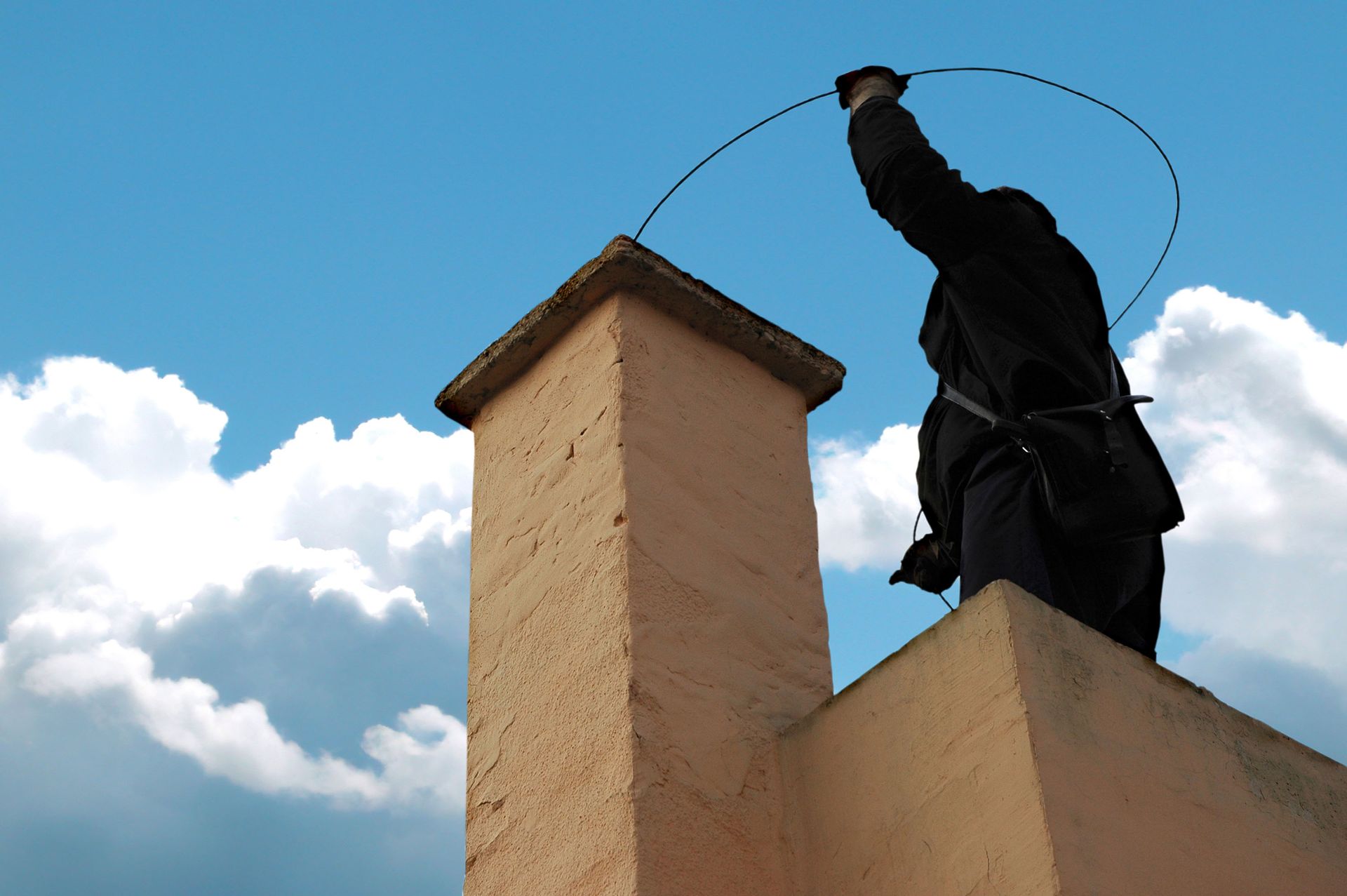
A fireplace brings warmth and comfort to a home, but the chimney behind it works harder than most homeowners realize. Every time wood burns, it releases byproducts that travel up the flue and cling to the interior walls of the chimney. Over time, this buildup becomes a serious fire hazard if left unaddressed. A professional chimney cleaning removes these dangerous deposits before they have the chance to ignite, protecting both your home and the people inside it. Understanding how this process works and why it should always be handled by trained professionals can help homeowners make safer choices about their heating systems this season.
Understanding Creosote Buildup and Its Fire Risk
Creosote is a byproduct of burning wood, and it forms naturally on the interior walls of a chimney flue with every fire. This substance can appear as a flaky residue, a sticky tar-like coating, or a hardened glaze, depending on burn conditions and how long it has been accumulating. Regardless of its texture, creosote is highly combustible, and a small spark from an active fire can be enough to set it alight inside the flue. A thorough chimney cleaning removes this material before it reaches dangerous levels, cutting off the fuel source that chimney fires depend on. Without regular removal, creosote layers thicken season after season, quietly raising the risk with every fire lit.
Reducing the Temperatures That Damage Masonry
When a chimney fire does occur, the heat it generates can be severe enough to compromise the entire structure. According to the Chimney Safety Institute of America, masonry chimney fires can reach temperatures around 2,000°F, hot enough to melt mortar joints, crack tiles, collapse liners, and damage the surrounding masonry, regardless of whether the flue is an older unlined design or a tile-lined system built to current safety codes. This kind of damage often isn't visible from the ground, which means a homeowner may not know their chimney has been compromised until further problems appear. Routine chimney cleaning directly addresses this risk by keeping fuel sources low, making it far less likely that temperatures will ever climb high enough to cause this level of structural harm.
Improving Airflow and Heating Efficiency
A chimney clogged with soot and creosote doesn't just pose a fire risk; it also restricts the airflow your fireplace needs to burn efficiently. When ventilation is blocked, smoke can back up into the home, fires can be harder to start and maintain, and your heating system has to work harder to produce the same warmth. A proper chimney cleaning clears these obstructions from the flue, smoke chamber, and firebox, restoring the draft your system relies on. Better airflow means cleaner burns, fewer odors, and a fireplace that performs the way it was designed to, all of which reduce the conditions that allow creosote to build up rapidly in the first place.
Protecting Indoor Air Quality and Carbon Monoxide Levels
Blocked or dirty chimneys don't just affect performance; they can also allow harmful byproducts of combustion to enter the living space instead of venting safely outdoors. Poor draft caused by soot and debris buildup increases the risk of carbon monoxide drifting back into the home, a danger that's easy to overlook until symptoms appear. A comprehensive chimney cleaning addresses every accessible component of the system, including the damper, smoke chamber, and firebox, helping to ensure combustion byproducts move up and out as intended. For households that rely on a fireplace throughout the colder months, this is one of the most important safety benefits routine maintenance provides.
Why Professional Inspection Matters During Cleaning
While removing visible soot might seem straightforward, a truly effective chimney cleaning goes far beyond surface-level maintenance. Trained chimney professionals know how to identify early warning signs of wear, such as hairline cracks, damaged liners, or deteriorating mortar joints, that an untrained eye would likely miss. These issues often develop gradually and remain hidden until they become expensive or dangerous problems. Professionals with certifications such as CSIA Master Chimney Sweep status bring the training needed to evaluate your chimney's condition accurately during each visit. Attempting a do-it-yourself cleaning skips this critical inspection step entirely, leaving structural problems unaddressed even after the visible buildup is gone.
Extending the Lifespan of Your Chimney System
Creosote and soot don't just create fire risk; they also place ongoing strain on the materials that make up your chimney. Left untreated, this buildup can accelerate wear on liners, dampers, and masonry, shortening the overall lifespan of the system and leading to costly repairs down the road. Scheduling a chimney cleaning on a consistent basis helps prevent this kind of long-term deterioration, allowing your fireplace to remain safe and functional for years longer than it would with sporadic or neglected maintenance. This is especially true for older homes, where masonry materials and liners may already be under added stress from age and prior use.
Meeting Insurance and Safety Code Requirements
Many homeowner's insurance policies require documented proof of regular chimney maintenance, particularly if a claim ever needs to be filed related to fire or smoke damage. A professional chimney cleaning provides that documentation while also ensuring your system meets current safety standards. Working with a certified provider means you'll have a clear record of service, which can prove invaluable if your insurer ever requests it. Beyond satisfying policy requirements, this kind of consistent upkeep demonstrates a proactive approach to home safety that benefits your family well beyond the paperwork.
Recognizing the Warning Signs That Cleaning Is Overdue
Homeowners don't need to wait for a scheduled appointment to notice that their chimney may need attention. Warning signs such as persistent smoky odors, poor draft, visible soot around the fireplace opening, or smoke backing up into the room are all indicators that buildup has reached a problematic level. Addressing these symptoms promptly with a professional chimney cleaning helps prevent them from escalating into more serious safety concerns. Even chimneys used only occasionally throughout the season should be checked regularly, since buildup can accumulate gradually and remain hidden until it becomes a genuine hazard.
Building a Consistent Maintenance Routine
Chimney maintenance works best when it's treated as an ongoing responsibility rather than a one-time task. Environmental factors like rain, freezing temperatures, humidity, and debris entering from above can all affect chimney condition throughout the year, even during months when the fireplace isn't in regular use. Establishing a routine chimney cleaning schedule with a trusted provider allows small issues to be caught and corrected before they grow into significant problems. This consistency not only reduces fire risk but also gives homeowners peace of mind that their system is ready to perform safely whenever it's needed.
Chimney fires are preventable, and the difference often comes down to consistent, professional maintenance. From removing combustible creosote to identifying hidden structural wear, a thorough cleaning addresses the root causes of chimney fires before they have a chance to develop. Skipping this maintenance, or attempting it without proper training, leaves your home vulnerable to risks that are far easier to prevent than to repair. Investing in routine service is one of the simplest ways to protect your family, your property, and the long-term health of your heating system.
At American Masonry Service, we bring CSIA Master Chimney Sweep certification and more than 25 years of local experience to every job we complete. We're ready to help you protect your home with a thorough, professional cleaning built around safety and long-term performance. Contact us today to schedule your appointment and take the next step toward a safer, more efficient home.